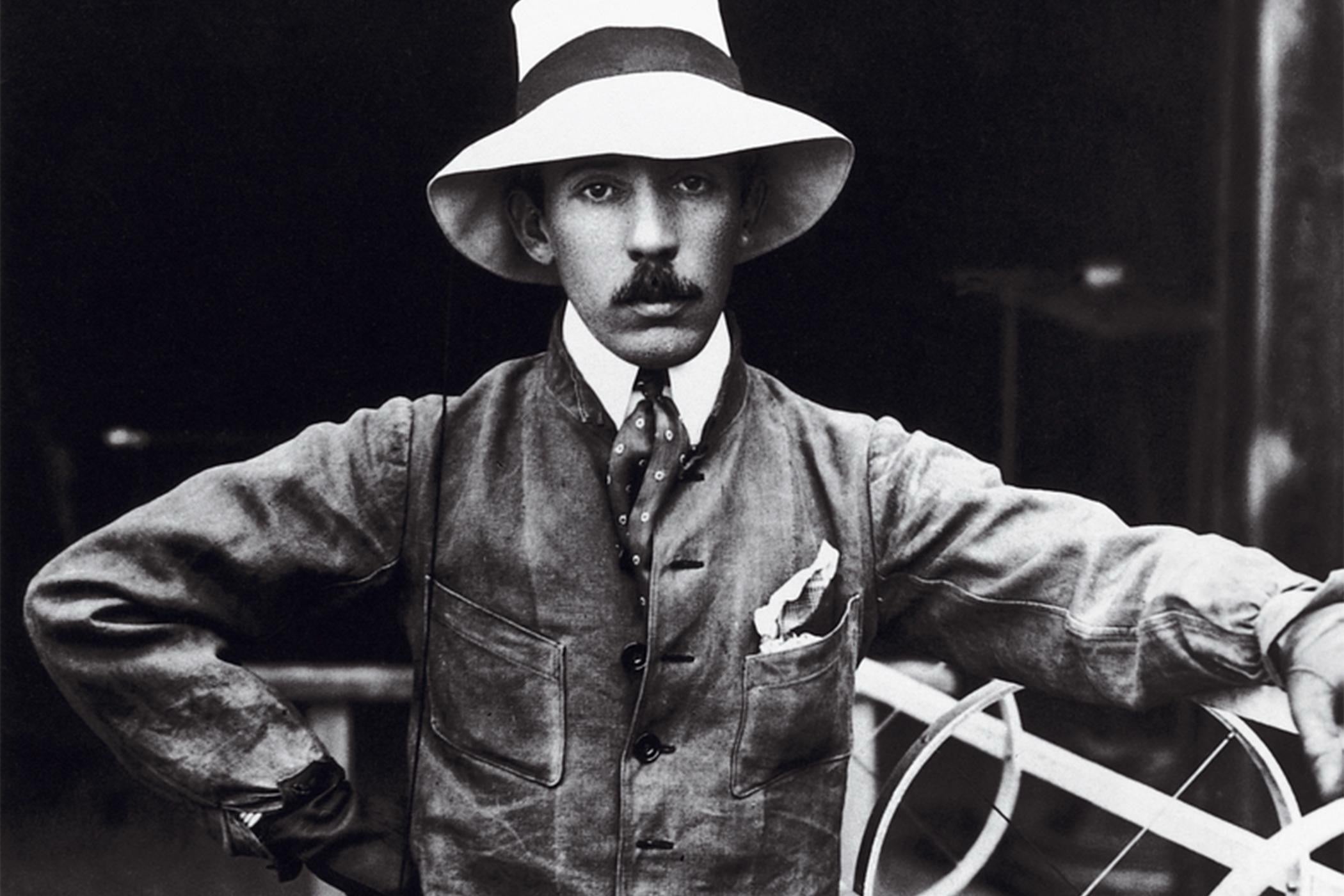


― The Man Who Shaped Cartier’s Aesthetic ―
One of the most important figures in understanding vintage Cartier is Louis Joseph Cartier.
Cartier watches and jewelry continue to be cherished around the world today. Their refined designs and the brand’s distinctive universe were largely shaped during the era when Louis Joseph Cartier led the brand.
Learning about the history of each model is important, but understanding the person behind it offers an even deeper appreciation of the Cartier brand.
In this article, we explore Louis Cartier’s life and achievements, as well as the design philosophy that continues to be passed down today.
Who Was Louis Cartier?
Louis Joseph Cartier (1875–1942) was the third generation of the Cartier founding family, whose business had been established in 1847 by Louis-François Cartier.
From around 1898, he became involved in managing the Paris flagship store and led the brand’s growth.
Together with his older brother Pierre Cartier and younger brother Jacques Cartier, he expanded the business from bases in Paris, New York, and London, developing Cartier into a world-renowned jewelry maison.
The foundation for Cartier’s current status as a highly esteemed global brand was laid during the era of these three brothers.
The Man Who Created the Value of Design
Louis Cartier did not regard watches and jewelry as mere practical objects.
Making the wearer look beautiful.
Ensuring that they would not fade with the passage of time.
Remaining unaffected by trends.
He is known for pursuing design while placing great importance on these principles.
The design codes that symbolize Cartier today were also established during this period.
- Roman numerals
- Blue-steel hands
- Railway minute track
- Well-balanced case designs with an emphasis on symmetry
Even more than 100 years later, these elements continue to be incorporated into many Cartier watches.
The Man Who Greatly Contributed to the Popularization of Wristwatches
In the early 1900s, pocket watches were the standard.
Wristwatches already existed, but most were decorative pieces for women or experimental models based on pocket watches. Men’s wristwatches had not yet become commonplace.
In 1904, at the request of Brazilian aviator Alberto Santos-Dumont, Louis Cartier created a wristwatch.
This watch was later commercialized as the “Santos” and greatly contributed to the popularization of men’s wristwatches.
Louis Cartier’s achievement was not the invention of a new type of watch.
It was the development of the new culture of wristwatches into something that could be embraced by many people.
That is precisely why he is so highly regarded in the history of watchmaking.
Developing into a World-Renowned Maison
During Louis Cartier’s era, Cartier began receiving strong support from royal families and aristocrats across Europe.
King Edward VII of the United Kingdom is also known for praising Cartier as
“The Jeweller of Kings and the King of Jewellers.”
Against this background of acclaim, Cartier established its position as one of the world’s leading high-jewelry maisons.
Why Is Louis Cartier Still Remembered Today?
Cartier designs created more than 100 years ago continue to be passed down today without undergoing any major changes.
This is not merely tradition.
It is because they possessed a high level of refinement from the moment they were created.
Excellent design does not need to be changed dramatically.
The aesthetic vision pursued by Louis Cartier remains at the heart of the Cartier brand, even today, beyond the boundaries of time.
Conclusion
Louis Cartier was not merely the person who developed Cartier into a world-renowned maison.
He established the brand philosophy of emphasizing design and also made a significant contribution to the development of wristwatch culture.
To gain a deeper understanding of vintage Cartier, it is essential to learn not only about the models but also about the people and history behind them.
The value contained in a single watch is supported not only by designs passed down through the ages, but also by the ideas of the people who created them.
Point
- Louis Cartier was the third generation of the Cartier founding family.
- Together with his two brothers, he developed Cartier into a world-renowned maison.
- Through the creation of the Santos, he made a significant contribution to the popularization of men’s wristwatches.
- He established Cartier’s design philosophy, which continues to be passed down today.